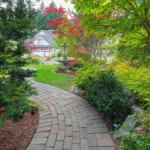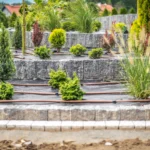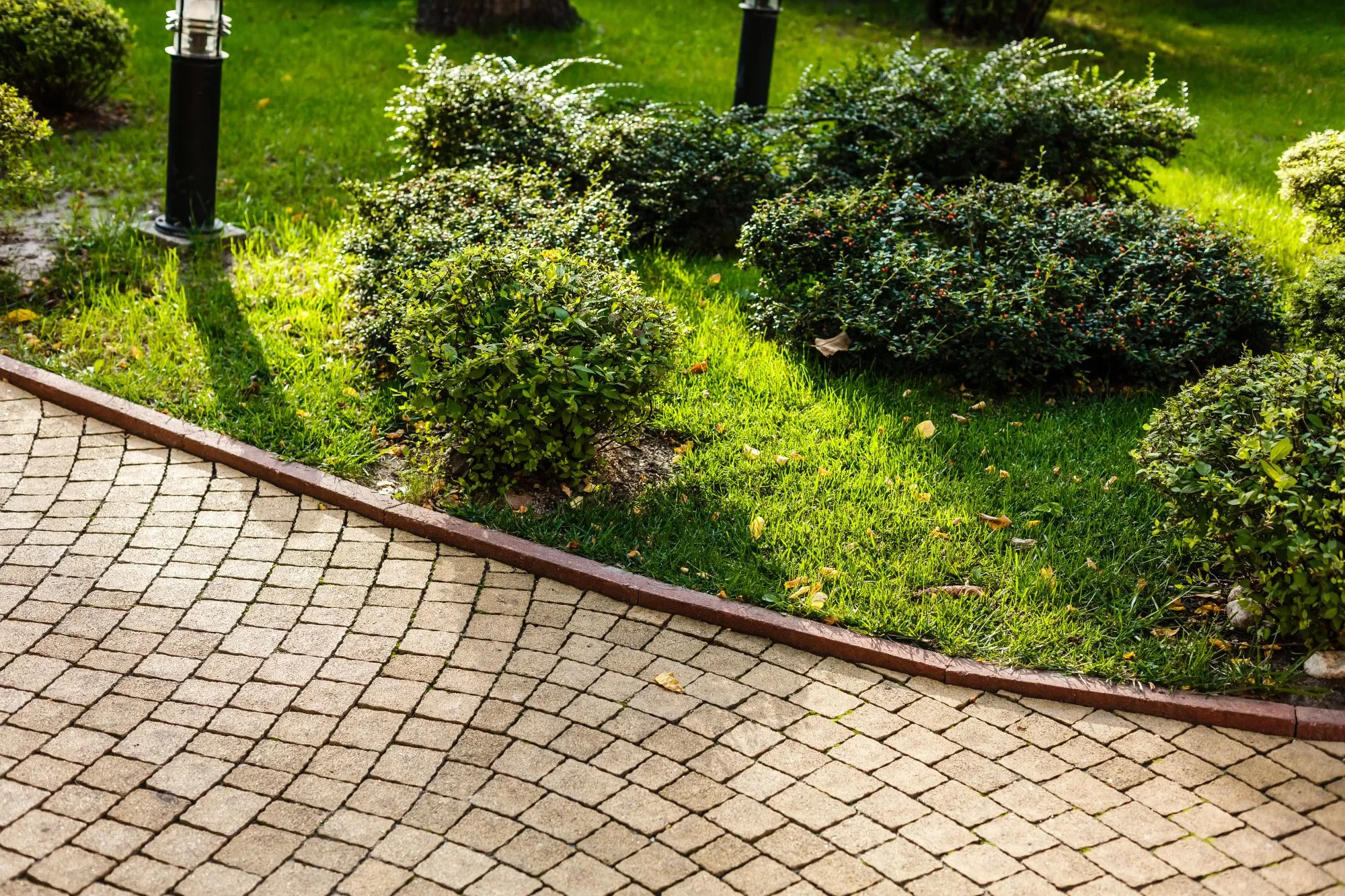
Hardscaping vs landscaping in Vancouver yards is a common point of confusion when homeowners start planning an outdoor project. Landscaping refers to living elements such as plants, turf, and soil systems, while hardscaping refers to permanently built structures such as patios, walls, and walkways. The difference affects how the space will function, how the yard handles frequent rain, and whether the final layout supports daily use or simply adds visual appeal. In many cases, projects involve both, but one typically leads depending on whether the primary constraint is structural or environmental, which is how Vanskyline Construction approaches residential outdoor planning.
Why the Difference Matters When Planning a Vancouver Backyard
The difference matters because landscaping and hardscaping solve different problems. Landscaping shapes the living side of the yard, while hardscaping creates the built framework that makes the space accessible, stable, and usable.
In Vancouver, frequent rain increases soil saturation, which can limit plant performance and require drainage control. Shade reduces plant selection and growth density. Narrow lot layouts restrict movement and often require defined pathways or vertical separation. Elevation changes can make areas unusable without steps or retaining support. A homeowner may want a greener backyard, but if the space first needs a patio, steps, edging, or grade separation, the project starts with hardscaping. On the other hand, a yard with an existing structure but poor visual balance or limited privacy may benefit more from landscaping.
Choosing the wrong approach first can lead to rework, such as installing plants that later need to be removed for structural work, or creating unusable areas due to lack of defined access. A structural yard problem refers to issues like slope, unstable grade, or lack of usable surface, while a planting project focuses on visual improvement, screening, or environmental enhancement.
What Landscaping Includes in Residential Yards
Landscaping focuses on the living components of a yard and how those elements shape appearance, privacy, and environmental function over time. It is driven by plant selection, layout, and long term growth behavior rather than fixed construction, and must account for soil condition, moisture retention, and root space to ensure viability in Vancouver environments.
Living Elements That Shape Outdoor Spaces
Landscaping includes the living elements of a yard. That usually means trees, shrubs, groundcover, lawn areas, planting beds, and other softscape features that grow, fill space, and change over time.
These elements shape how the yard feels rather than how it is physically built. They can screen neighboring properties, direct sightlines toward focal areas, create privacy, and reduce exposure. In residential settings, landscaping often provides the part of the project that feels natural and integrated with the surrounding environment. Plant performance varies depending on sun exposure and moisture levels, with shaded or saturated areas limiting species selection and growth density.
Functional Roles of Plants, Turf, and Softscape
Plants and softscape features also serve practical roles in how a yard functions, not just how it looks. Their placement affects usability, visibility, and how different areas of the property are defined.
Turf can create open recreation space in flatter areas, but it may not perform well in shaded or water saturated conditions where drainage is limited. Shrubs and hedging can define boundaries without adding the visual heaviness of walls or fencing. Trees can improve privacy and shade while helping larger yards feel proportioned. Groundcover and planted beds can reduce exposed soil and stabilize surface areas, but they do not replace structural solutions for grading or water flow.
What Hardscaping Includes in Outdoor Construction
Hardscaping focuses on the built elements of a yard that establish structure, access, and long term durability. These components define how the space is used and how movement flows through the property, and often involve load bearing requirements, soil pressure resistance, and structural stability.
Structural Elements That Define Usable Space
Hardscaping includes the non living built features that organize movement, support grade changes, and create durable outdoor use areas. In residential yards, this is the part of the project that turns open ground into a defined, functional layout.
Unlike landscaping, hardscaping is usually fixed in place once installed. It establishes where people walk, sit, gather, step, enter, or transition between zones. It often determines the actual footprint of a backyard design, especially on properties where there is limited flat space or where access needs to be formalized. Usable space refers to areas that are flat, stable, and safely accessible.
If these elements are not installed where needed, the yard may experience erosion, unsafe elevation changes, or sections that cannot be used consistently. Hardscaping becomes mandatory when slope, instability, or access limitations prevent safe or practical use of the space.
Hardscape Features Common in Vancouver Yards
In Vancouver, hardscape features are commonly used to manage slope, improve access, and create usable outdoor areas that can handle frequent moisture and wear. Each feature serves a specific purpose and is selected based on the condition it resolves rather than being interchangeable.
- Patios for seating, dining, and outdoor living areas
- Walkways that connect entries, side yards, and backyard zones
- Steps that manage elevation changes between levels
- Retaining walls used when grade changes create unsupported soil or when flat usable space is required
- Garden walls or edging that define planting zones cleanly
- Driveway borders or entry features that improve layout and visual order
- Built surfaces that reduce mud, worn pathways, or undefined circulation
These features often appear together in projects where homeowners need both structure and usability. For example, retaining walls are typically required when slope exceeds what soil can naturally support, while patios and walkways establish how the space is used once the grade is controlled.
How Hardscaping and Landscaping Work Together in Yard Design
Hardscaping and landscaping are rarely used in isolation on complete yard projects. Most residential designs rely on both to balance structure with visual integration, and the sequence of installation is critical to avoid rework.
Hardscaping is typically installed first to establish grade, access, and layout. Landscaping is then added to soften the structure, integrate the space visually, and complete the environment. If landscaping is installed before hardscaping, plant material may be removed or damaged during construction, leading to inefficiency and added cost.
When a Project Requires Mostly Hardscaping
Some projects are driven primarily by structural needs rather than plant selection. In these cases, hardscaping becomes the dominant scope because the yard cannot function without built elements.
This applies when slope prevents safe movement, when terrain is uneven or unstable, or when there are no defined surfaces for access or use. In these conditions, the yard cannot function properly in terms of safe access, stable footing, or usable space. Minor issues can sometimes be addressed with partial solutions such as localized grading or stepping paths, but larger constraints require full structural intervention.
When Landscaping Plays the Larger Role
Other projects focus more on improving the visual and environmental quality of an already functional yard. In these situations, landscaping takes the lead.
A yard is considered functionally complete when it has stable surfaces, defined access, and no major grade limitations. Landscaping then improves privacy, visual balance, and environmental integration. While planting can define areas and influence how space feels, it does not create structural zones or replace the need for built access or support elements.
 Choosing the Right Balance for Your Vancouver Property
Choosing the right balance depends on identifying the primary limitation of the yard. This can be determined by assessing whether the issue is related to structure or environmental quality.
If the yard lacks safe access, stable surfaces, or usable flat space, hardscaping is the priority. If the yard is structurally functional but lacks privacy, visual cohesion, or environmental integration, landscaping becomes the focus. Vancouver conditions often increase the need for structural control due to moisture and slope, which can require drainage management and grade stabilization before planting is effective.
When both constraints exist, the project should be planned as a combined design where structural elements are established first and landscaping is integrated afterward to complete the space.