Hardscaping elements serve different purposes depending on whether they hold back soil, manage elevation, or primarily shape how outdoor space looks and functions. On sloped or drainage sensitive properties, the difference between structural and decorative work is not just aesthetic, it determines stability, safety, and long term performance. VanSkyline Construction approaches outdoor builds with structural performance addressed first, then design layered on top.
What Counts as Structural Hardscaping
Structural hardscaping includes any built feature that resists soil pressure, supports weight, or controls water movement. These elements interact directly with ground forces, meaning failure affects more than appearance. They manage loads, prevent soil movement, and maintain grade.
Common structural components include retaining walls, structural steps, reinforced footings, and drainage integrated bases. Even when finished attractively, their primary role is mechanical performance rather than visual design.
How Structural Elements Manage Grade Changes and Soil Pressure
Sloped properties create lateral and vertical forces that must be controlled. Soil exerts pressure when retained, and water increases that pressure significantly. Structural systems manage these forces through engineered support, stable base preparation, and controlled drainage.
Retaining Walls and Lateral Soil Load
Retaining walls are load bearing because they resist horizontal soil pressure created by gravity and water saturation. Backfill drainage reduces hydrostatic pressure, while reinforcement and footing design prevent rotation or sliding. Without these factors, soil movement leads to leaning, cracking, or collapse.
Steps and Elevation Transitions
Steps built into slopes function structurally by bridging elevation changes. They must transfer load into stable ground and resist soil erosion along their sides. Poor base support causes uneven settlement and trip hazards.
Footings and Foundation Support
Footings spread structural loads into the soil. In outdoor hardscaping, they anchor walls, columns, and heavy installations. Frost movement and soil compression are controlled through proper depth and compaction.
Drainage Integration in Structural Work
Drainage is a structural consideration because water increases soil weight and pressure. Integrated drain layers, weeping systems, and surface grading prevent water from accumulating behind load bearing elements.
Erosion Control and Long-Term Stability
Erosion gradually removes soil support around structures. Compaction, geotextile separation, and water redirection prevent gradual undermining that causes shifting over time.
What Counts as Decorative Hardscaping
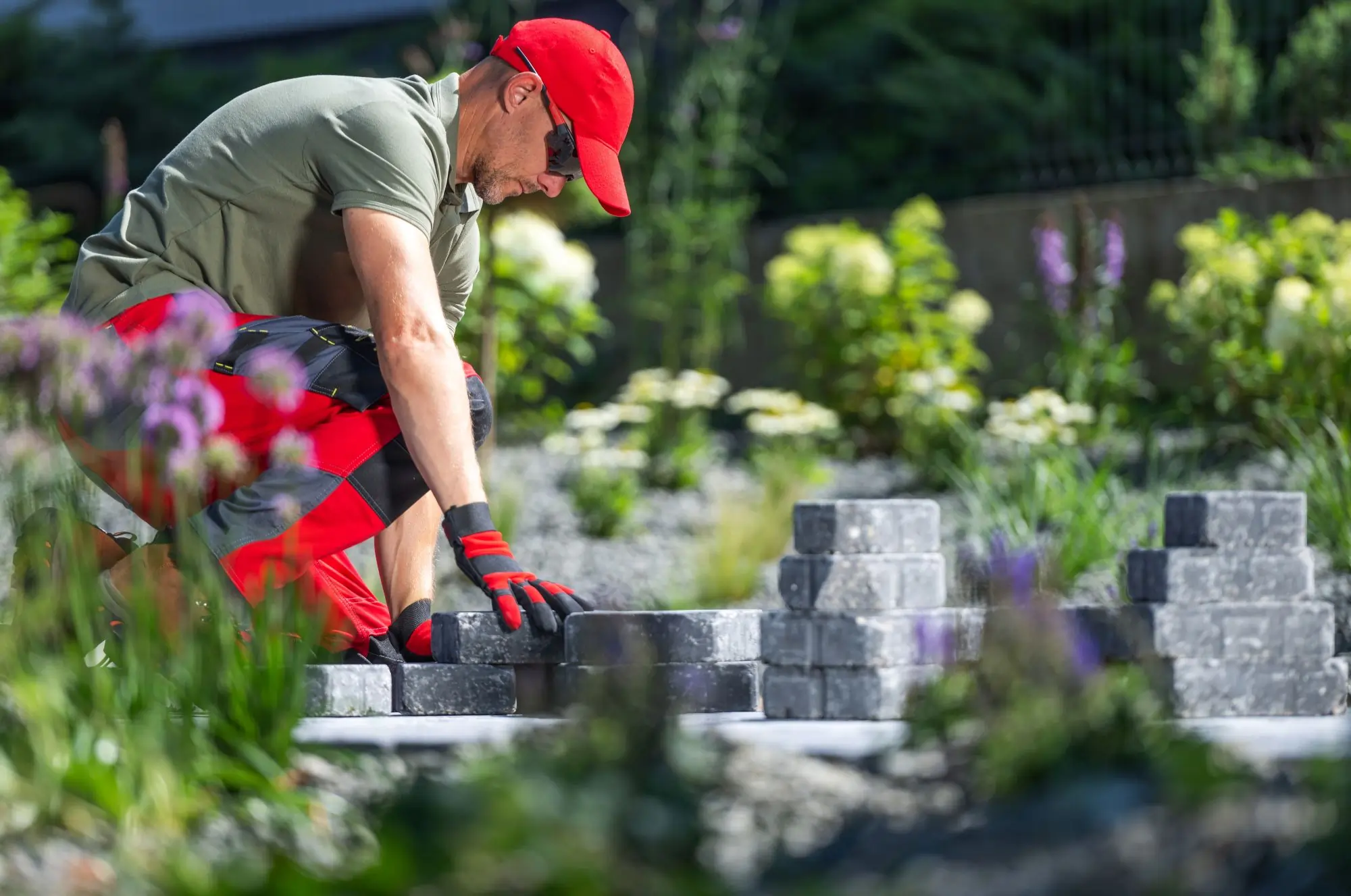
Decorative hardscaping focuses on surface experience and visual layout. These elements improve usability, movement, and aesthetic cohesion but typically do not resist major soil loads. Examples include patios, walkways, seating areas, fire features, and ornamental stonework. These types of surface features are commonly included within broader hardscaping design and installation services where layout and surface function shape how outdoor spaces are used.
Even decorative elements still rely on a properly prepared base, but their purpose is comfort and appearance rather than structural retention.
How Decorative Features Improve Usability and Layout
Decorative features organize space into functional zones. Patios create gathering areas, pathways guide movement, and seating walls define boundaries. They make outdoor areas usable and visually connected.
Good design considers circulation, gathering points, and how surfaces transition between levels. These choices shape how space feels and functions without necessarily managing soil loads.
Balancing Function and Appearance in Sloped Yards
On sloped properties, structural needs must be resolved before surface finishes are installed. Retaining, grading, and drainage establish stability. Decorative layers placed on unstable ground crack, shift, or trap water.
A balanced design considers how soil, water, and gravity behave before aesthetic choices are finalized. Homeowners planning upgrades often start by reviewing site constraints with an experienced landscape construction contractor to understand what must be built structurally before design elements are added.
Rainfall, Drainage, and Material Considerations
High rainfall increases hydrostatic pressure and soil movement. Materials must tolerate moisture, freeze thaw cycles, and surface runoff. Permeable base systems, drainage channels, and proper slope direction prevent water from weakening support layers.
Material selection also affects slip resistance and maintenance requirements, particularly in climates where wet surfaces are common.
 When Decorative Elements Still Require Structural Planning
Some decorative elements become structural by weight or location. Elevated patios, large pavers, heavy stone features, and edge restraints all place loads on the ground. Sloped installations often require reinforced bases or retaining edges to prevent movement.
Ignoring structural preparation for these elements results in settlement, separation, and drainage issues that shorten lifespan.
Planning Outdoor Spaces in High-Rainfall Climates
In high rainfall regions, water management defines project success. Grading, structural supports, and surface drainage must work together. A design that looks balanced but ignores runoff direction or soil saturation will fail over time. Project planning and site evaluations can be arranged through the consultation contact page to assess slope, drainage, and outdoor layout goals before construction begins.